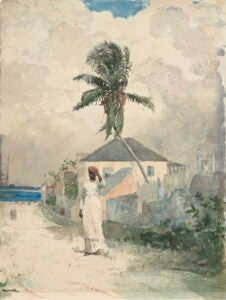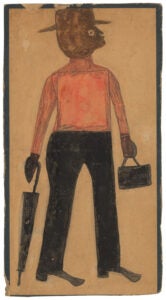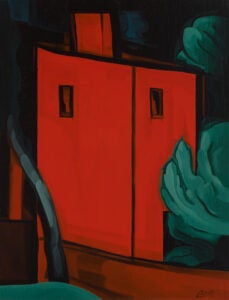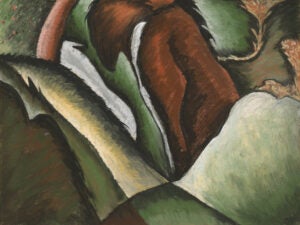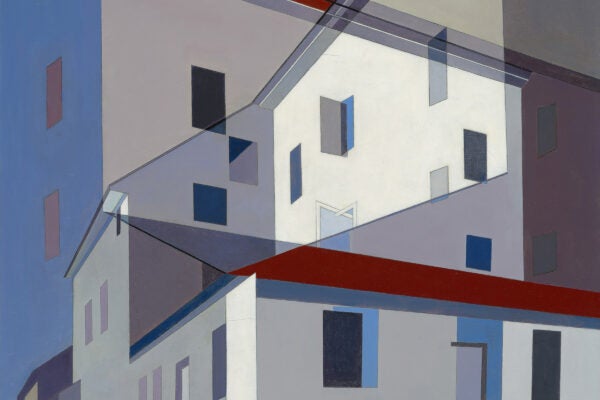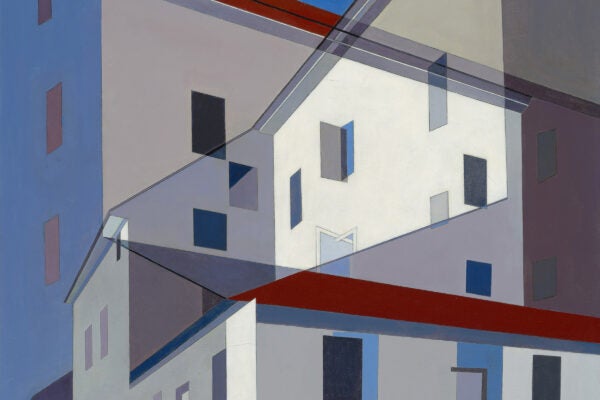
Works from artists such as Ellsworth Kelly, Georgia O’Keeffe, Jacob Lawrence and Joan Mitchell come together at the Blanton Museum of Art for the exhibition “American Modernism from the Charles Butt Collection: From Edward Hopper to Alma Thomas.” The works from the personal collection of Charles Butt, the chairman of the H-E-B grocery dynasty, reflect his artistic keenness for pieces from this period.
The collection of over 80 artworks circulated through three other Texan museums before arriving at the Blanton. Fort Worth’s Amon Carter Museum of American Art was the first, and the curatorial team at that museum designed the exhibition structure. The show, on display from March 8 to Aug. 2, will be thematically grouped into four sections: Intimate Perspectives, The Language of the Sea, Geometric Utopias/Dystopias, and Land Progressions.
Carter Foster, deputy director for curatorial affairs at the Blanton, finds that the selected works encapsulate a meaningful chronology of American art history. Foster believes that the paintings and drawings in the collection illustrate an evocative shift in artistic themes and styles in the country.
“American art sort of came into its own in the 20th century,” Foster said. “A lot of American artists were trained on a kind of European pedagogical model before. But in the 20th century, those things start to break down.”

The curatorial team’s intent is to highlight the formation of American artistic tradition, charting a fascination with natural landscapes and a shift of curiosity into industrialization. Butt’s collection highlights works from artists such as modernist painter John Marin. Eight of Marin’s works will be on display, including one that hasn’t been presented often.
“That allows us to show a really intimate way of working with this artist,” Foster says, referring to the inclusion of a piece from Marin’s “Weehawken Sequence.” “There’s just going to be really great pockets of moments.”
Given the breadth and rarity of the collection, Foster hopes that students can look to the exhibition for more insight into this chapter of art and the country’s history. Foster is especially excited for the unveiling of works such as a 1958 piece by famed painter Ellsworth Kelly, who designed the Blanton’s own “Austin,” a stone building with stained-glass windows. He feels the exhibition will bolster the Blanton’s representation of modern artists they have not previously displayed in the galleries.
“If you’re interested in 20th century American art, it’s an outstanding resource,” Foster says. “You just have great examples by some of the greatest artists of the 20th century all together in two rooms.”