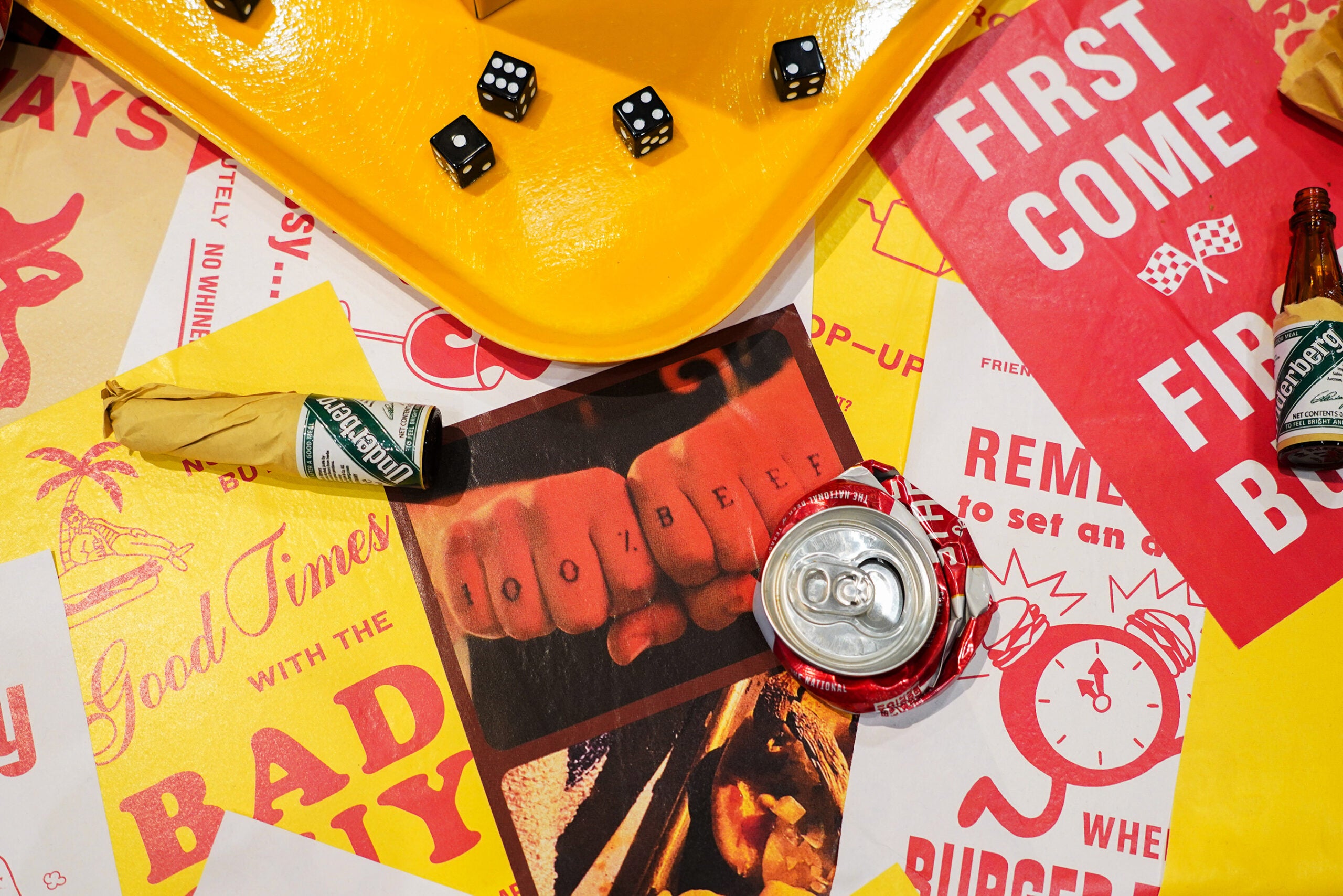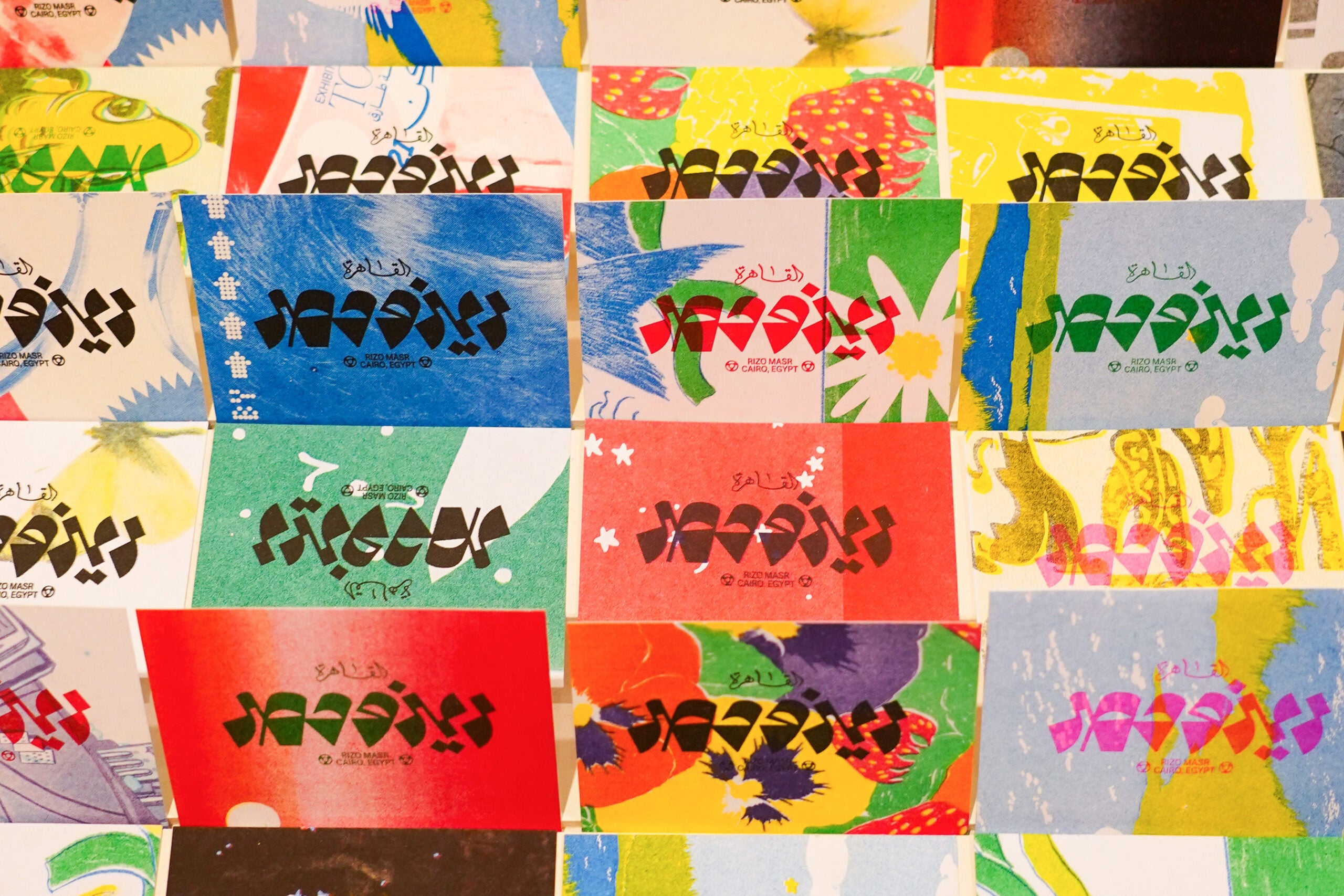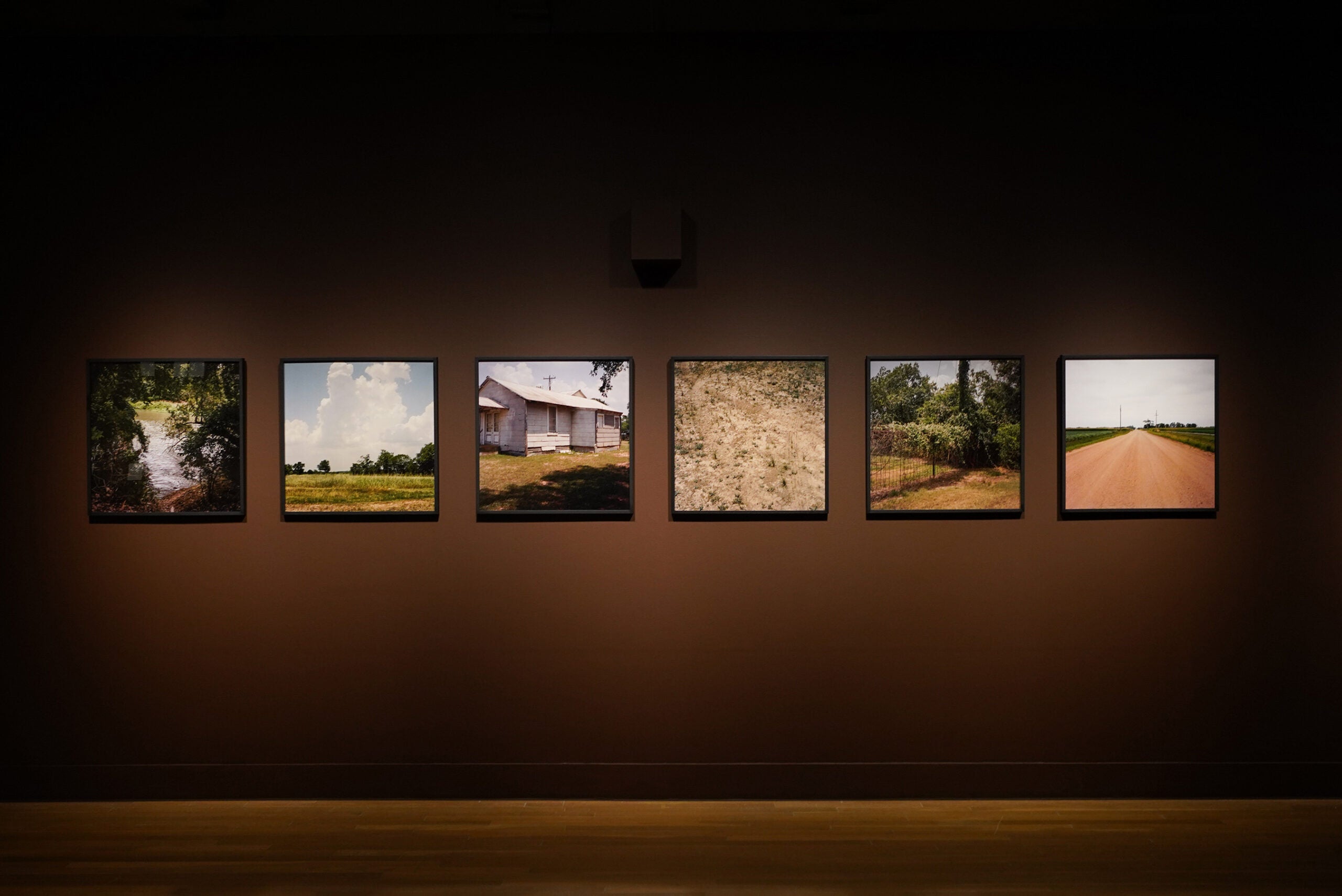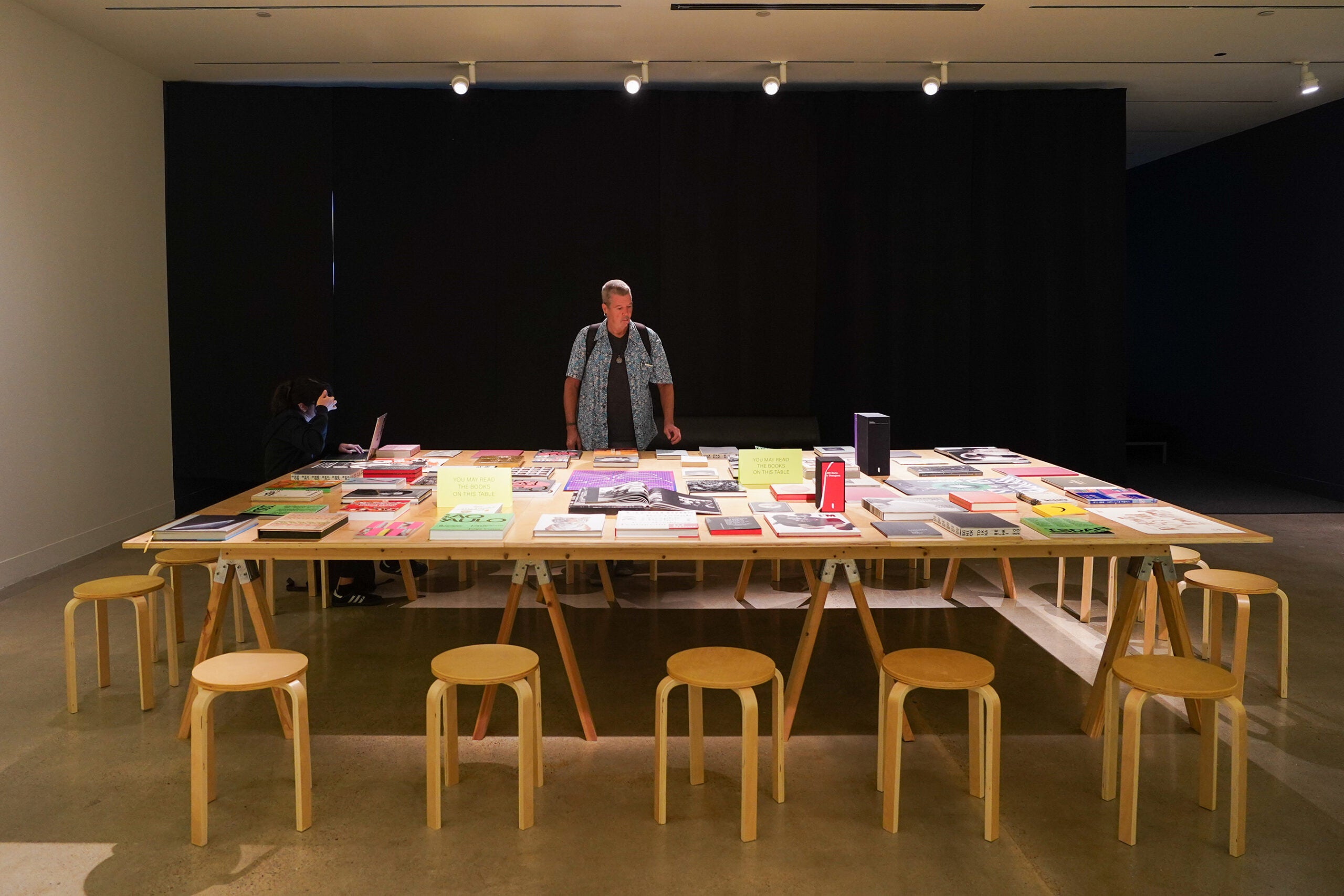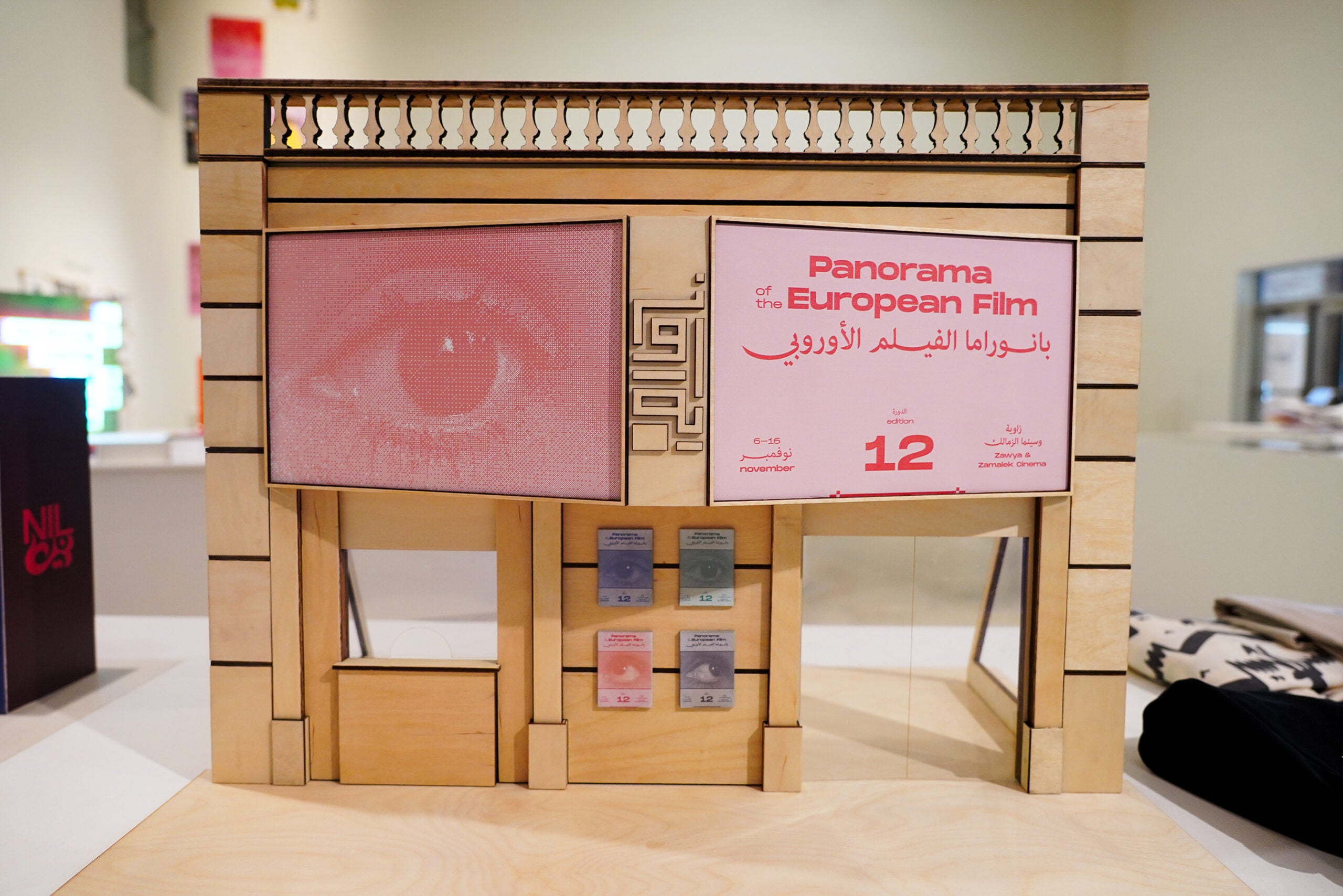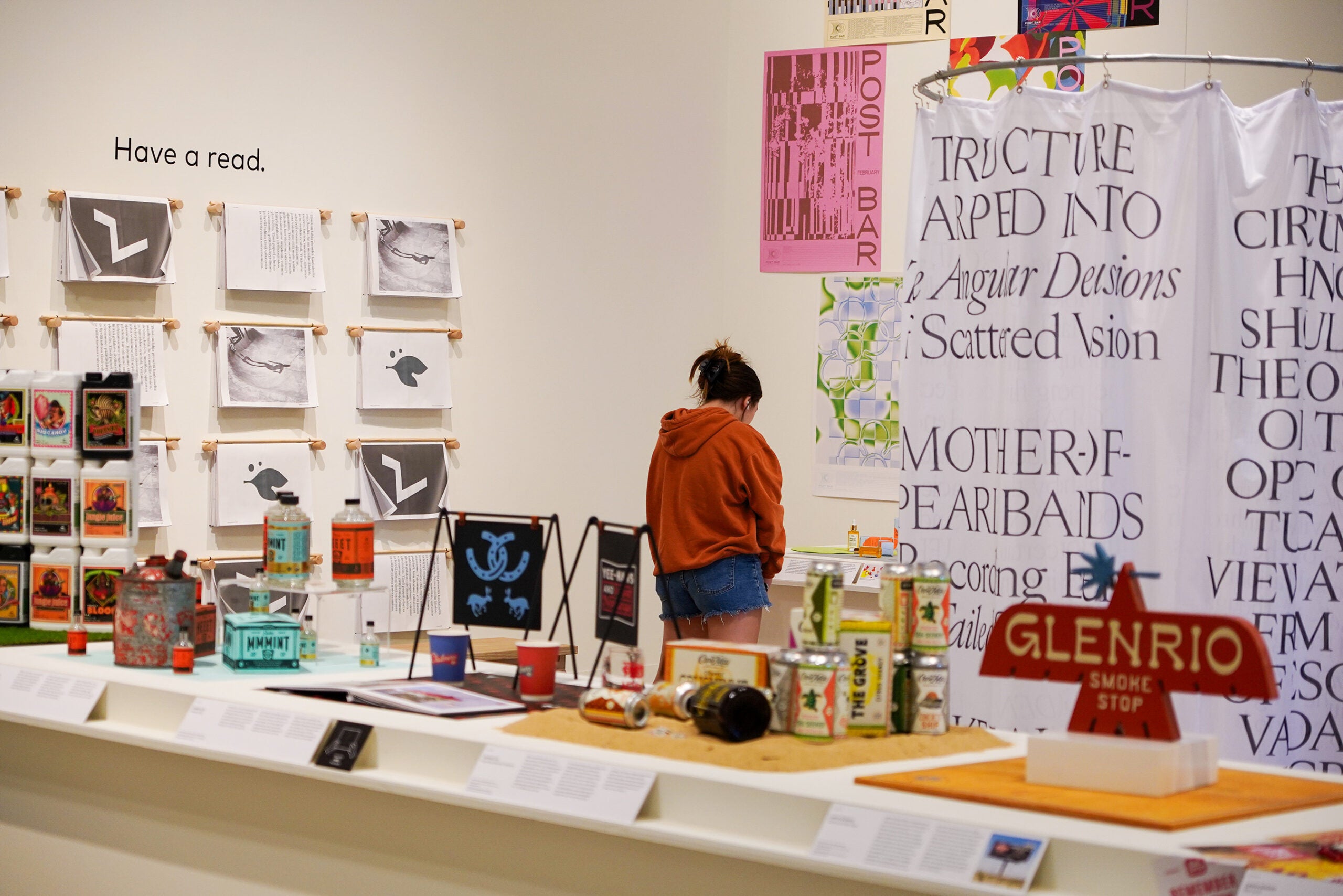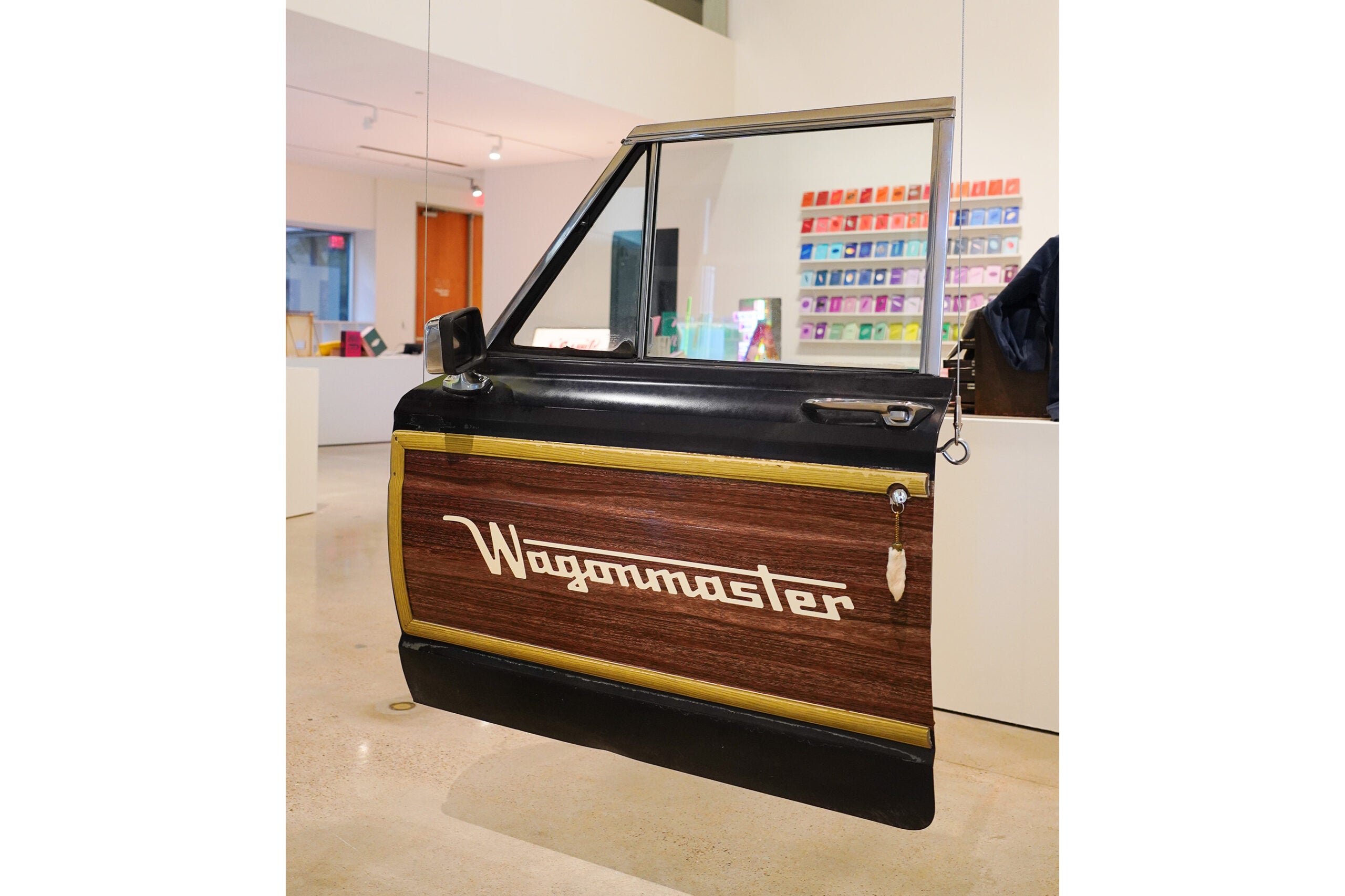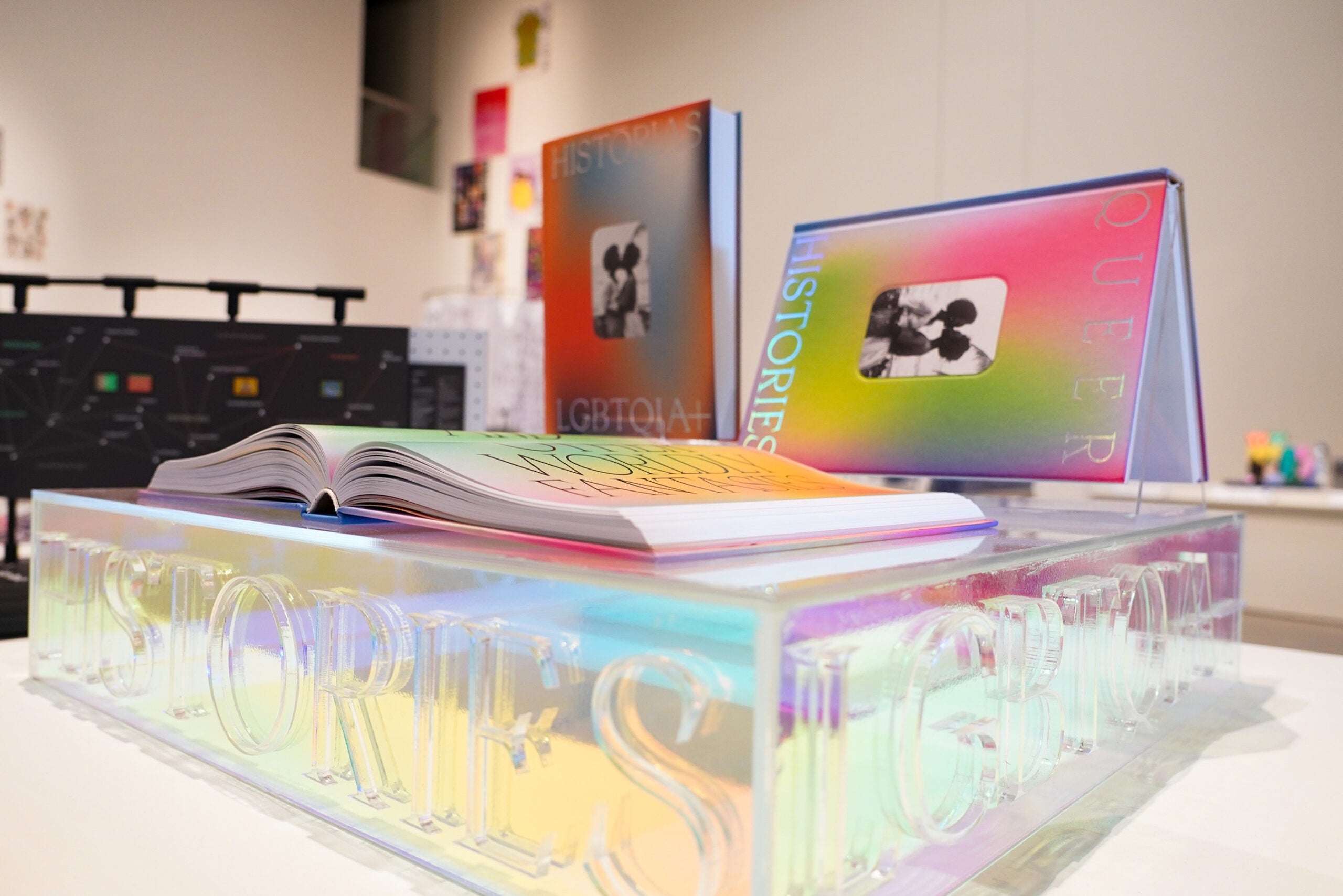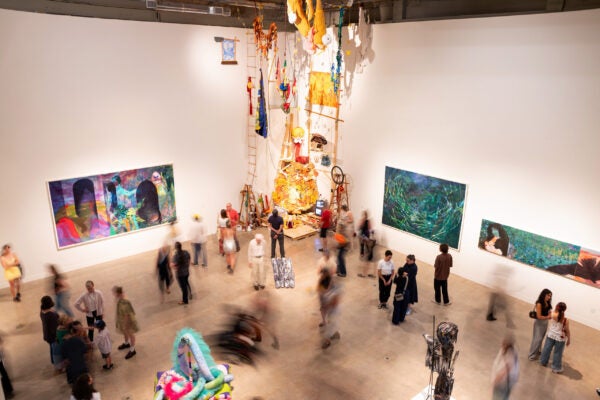
On any given day at the Visual Arts Center, the space might be filled with the soft echo of a hammer tapping, a sculpture being measured for suspension or the low murmur of visitors deep in conversation about a provocative art piece. Behind the white walls and striking installations, there’s an invisible choreography unfolding — one built on trust, curiosity and a shared commitment to creating something meaningful.
Open and free to the public during each long semester, the gallery nestled in the College of Fine Arts is run by eight people who put on up to 15 exhibitions each year in the span of about nine months. The dedication and passion of each contributor are the fuel for the small but mighty machine.
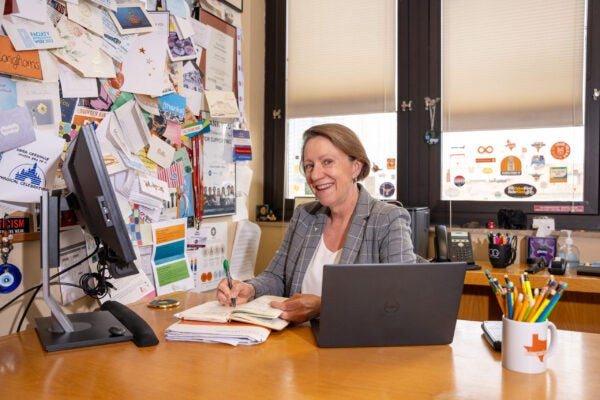
VAC director Max Fields, whose role primarily consists of ensuring the day-to-day operations run smoothly, says being a part of a gallery so closely connected to a university is a gold mine of opportunities for expanding the reach and impact of the work being shared. Galleries at universities, he says, are often at the forefront of innovation because of their willingness to explore and push artistic boundaries.
“College and university galleries are willing to take risks, and that always sounded interesting to me,” Fields says. “Not to mention, it’s pretty amazing that if I’m working on a project that includes Mayan calligraphy, the expert on Mayan calligraphy and decoding it is right down the hall.”
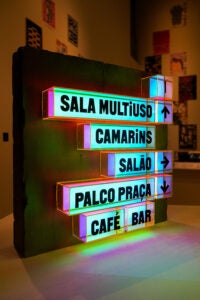
Each year, the VAC hosts two emerging artists-in-residence from all over the world to share their work with the Central Texas community. Additionally, several student-based opportunities, such as the Center Space Project, allow undergraduate students to plan and run exhibitions of their conception.
After ideas for the upcoming year are set, the presentation of each artist’s work must be customized to fit the 13,000-square-foot space. For assistant curator Melissa Fandos, being a curator means “trying to be an advocate for all parties involved.” It also means being able to translate ideas while communicating effectively to preserve the artist’s vision.
“It’s a dream to get to work with artists who are thinking creatively about the world … and support them as they realize the work they want to share with people,” Fandos says.
In the curation process, Fandos says it is crucial to dive deep and truly understand the themes explored through art so messages can connect meaningfully with audiences.
“I’m always learning something new about topics across time,” Fandos says. “I get to go really deep on (one thing) today, and tomorrow I’m going really deep on something completely different while trying to make it all resonate with people.”
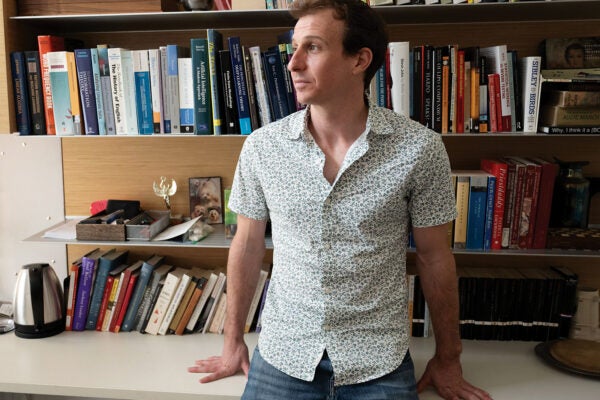
Finally, before an exhibition is ready to make its debut, the art must be securely installed with no trace of construction debris left behind. With the quick turnaround of VAC exhibitions, preparators like Kaya Halil Sumer, a gallery and education liaison and assistant preparator, must swiftly realize the vision in its final form.
“If we’re not here to install the show, there’s no show,” Sumer says. “All the research, curation and studio time that goes into the artwork doesn’t exist for others to experience it.”
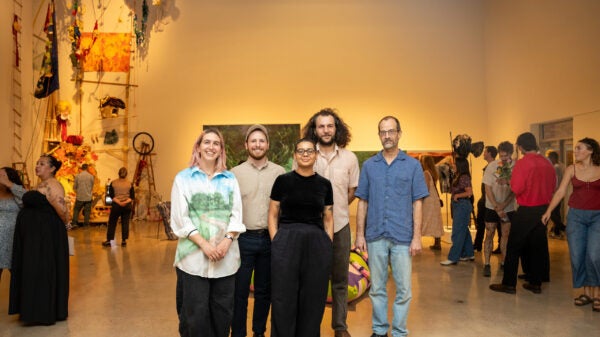
With a space that attracts a variety of unique artist voices and perspectives, the execution of works keeps the staff on their toes right up until opening night.
“Sometimes it’s really simple, and that’s great,” Sumer says. “It’s just, ‘Here, I have 10 paintings.’ Other times people are like, ‘I have an inflatable sculpture’ or ‘I need to weld my sculpture to a beam.’”
Sumer finds it deeply rewarding to interact with artists in such a short amount of time, despite the work being physically demanding and sometimes unpredictable. For him, each exhibition offers a blank canvas that keeps the work he does and the work visitors of the VAC see fresh and compelling.
“Every artist is different,” Sumer says. “There’s a lot that I get out of learning a process and then having it be a part of my life experience. It might even influence my own work.”
As the doors to the VAC welcome guests for an exhibition’s opening night after months of detailed planning, visitors are transported to a divergent world where they are invited to learn about something they might never have been exposed to. The work of VAC staff members contributes directly to vital education about the arts and the world.
“(We) work at a school and a museum,” Sumer says. “It really is an educational facility, and you can never stop learning. It sounds nerdy, but that’s what I get out of it.”
The VAC welcomes all voices, perspectives and backgrounds to engage in and learn about the ways art can be a force of change and a profound form of expression. With each exhibition, the works of these staff members leaves a mark on the community that evening and for many years to come.
“I always say: At the end of our rainbow is art,” Fields says. “That’s what makes it all worth it.”